Image prevent

Preventative Treatments

Prevention is better than cure
 
Vaccination Protocol at Cat's Whiskers Veterinary Clinic
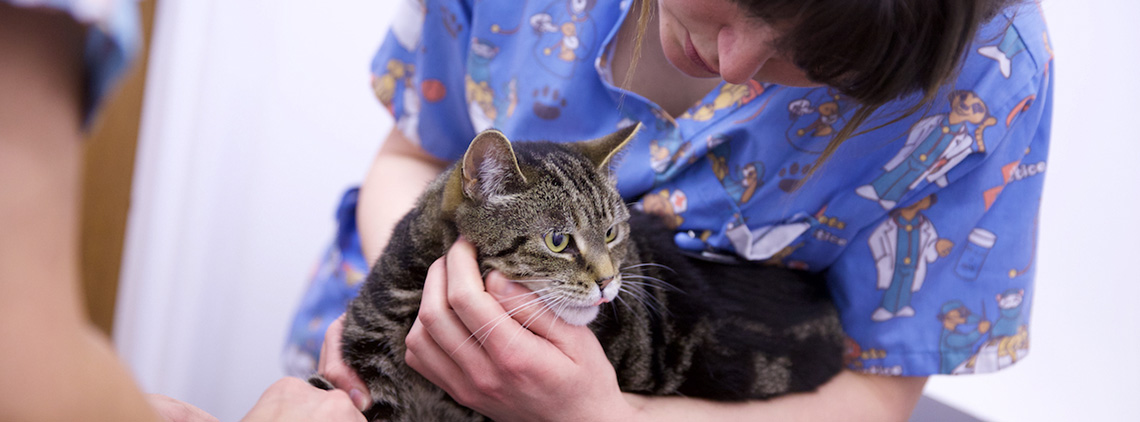
We offer vaccination using Merial Purevax® range to cats and kittens aged 8 weeks and older against feline viral rhinotracheitis (more commonly known as one of the cat 'flu viruses) to reduce clinical signs; against calicivirus (also a cat 'flu virus) to reduce clinical signs and viral excretion; against feline panleucopenia (feline enteritis) to prevent mortality and reduce clinical signs; and against feline leukaemia to prevent persistent viraemia and reduce clinical signs of the disease.

The World Small Animal Veterinary Association (WSAVA) published guidelines in September 2010 regarding vaccination of cats for owners and breeders. The WSAVA Vaccinations Guidelines Group is a body of experts providing science based advice to veterinary practitioners on the optimum methods of delivering vaccination to their patients. At Cat’s Whiskers Veterinary Clinic we have used these guidelines to formulate our vaccination protocols for pet and breeding cats. As we do not believe in a 'one size fits all' approach to cat vaccination we will discuss with you the most appropriate vaccination schedule for your cat based on his or her lifestyle.

Vaccination of cats protects them from infections that may be lethal or cause serious disease. Vaccination has had major impact on improving the quality of life of cats. Owners and breeders of cats will be very aware of the prominent media exposure focused on the rare instances of adverse events that might follow administration of vaccines. The veterinary profession has devoted considerable time and effort to addressing issues and developing protocols that increase safety and minimize the already low risks associated with vaccination.

We currently recommend the following:
  • All kittens have a primary course of core vaccines (feline parvovirus, feline calicivirus and feline herpes virus-1; commonly known as cat ‘flu and enteritis) at 9 weeks and 14 weeks old and a first booster vaccination within 12 months of completing the initial vaccines. Kittens and cats with outside access or in a multicat household should be vaccinated against feline leukaemia virus (FeLV).
  • Once the primary course of 2 initial vaccines and 1 booster has been completed, a booster vaccine should be given no more frequently than every 3 years. There are exceptions to this, for example, if the cat will be going into a boarding cattery, a booster vaccination for cat ‘flu (calicivirus and herpesvirus) will be required every 12 months (at least 2 weeks prior to entry into a cattery).
  • An adult cat that has previously been vaccinated as a kitten and received its first annual booster, but has not been vaccinated since, will only require a single booster vaccination.
  • An adult cat with a previously unknown vaccination status and an adult cat that had been vaccinated as a kitten but did not have a first booster within 12 months should receive two injections of vaccine 3 to 4 weeks apart, and a booster vaccination within 12 months.
  • As immunity decreases with age, we recommend vaccination continues for life.
The feline parvovirus vaccine is highly effective at preventing infection (99% efficacy). However the efficacy is much less for the calicivirus and herpesvirus vaccines (estimated 60-80%) due to the nature of the viruses and the diseases they cause – feline respiratory disease complex (FRDC) commonly known as cat ‘flu.

With the core vaccination schedule suggested above, it would be expected that cats should remain free of the vaccine preventable diseases for a lifetime. However, it is important to understand that FRDC is very complex and many things contribute to this disease. Thus, FRDC is not vaccine preventable and the best you can expect from the vaccines that are available (FCV, FHV-1 and others like Chlamydophila and Bordetella) is reduced severity of disease signs.

Click here to find out more about our convenient and affordable Pay Monthly Pet Health Plans that cover vaccinations, flea and parasite treatments and health checks, just to mention a few. 

For cats travelling abroad we use Rabisin an inactivated vaccine against rabies. Minimum age at vaccination is 3 months. Booster vaccinations should be given every 2 years.

UK Pet Travel Scheme (PETS):
  
Animals intended for vaccination under the UK Pet Travel Scheme (PETS) must be identified by a permanently numbered microchip. Experience has shown that a proportion of vaccinated animals, while protected, may not show the 0.5 I.U. antibody titre on blood testing required by the UK PETS scheme. Under certain circumstances we may advise two vaccinations (2 weeks apart) particularly in young naive animals. The best time for a blood sample to be taken is from 14 days after vaccination.

All vaccines except rabies vaccine are included in the our Pet Health Plans.

For more information, we recommend you visit the DEFRA website.


Flea & Parasite Treatments

We offer the following treatments available individually and as part of our Pet Health Plans (click here to find out more).

Advantage® is a spot on preparation containing imidacloprid for the prevention and treatment of flea infestations on cats. Fleas on are killed within one day following treatment. One treatment prevents further flea infestation for four weeks. The product can be used as part of a treatment strategy for flea allergy dermatitis. Imidacloprid has a high affinity for the nicotinergic acetylcholine receptors in the post-synaptic region of the central nervous system (CNS). The ensuing inhibition of cholinergic transmission in insects results in paralysis and death.

Advocate® is a spot on preparation containing imidacloprid and moxidectin. Imidacloprid is effective against larval flea stages and adult fleas. Flea larvae in the cat’s surroundings are killed after contact with a cat treated with the product. Moxidectin is a parasiticide which is active against many internal and external parasites. Advocate is indicated for cats suffering from, or at risk from, mixed parasitic infections: For the treatment and prevention of flea infestation (Ctenocephalides felis), treatment of ear mite infestation (Otodectes cynotis), prevention of heartworm disease (L3 and L4 larvae of Dirofilaria immitis) and treatment of infections with gastrointestinal nematodes (L4 larvae, immature adults and adults of Toxocara cati and Ancylostoma tubaeforme).

The Drontal® range is the most popular brand of wormers used for pets in the UK. Drontal Cat Tablets (20 mg praziquantel, 230 mg pyrantel embonate) a combined roundworm and tapeworm treatment for cats and kittens.

Droncit® Spot-On
(20 mg praziquantel) is a tapeworm treatment for cats applied directly to the skin on the back of the neck. The application to the skin makes it ideal for use in fractious cats, helping avoid having a fight on your hands. It is also for hunting cats which require frequent treatment. It is effective against all the common tapeworms found in cats in the UK, and also the fox tapeworm that is prevalent in mainland Europe.

Profender®
is a spot on preparation containing emodepside and praziquantel for cats suffering from, or at risk from, mixed parasitic infections caused by roundworms and tapeworms. Emodepside is a semi-synthetic compound belonging to the new chemical group of depsipeptides. It is active against roundworms (ascarids and hookworms). In this product, emodepside is responsible for the efficacy against Toxocara cati, Toxascaris leonina, and Ancylostoma tubaeforme.
It acts at the neuromuscular junction by stimulating presynaptic receptors belonging to the secretin receptor family which results in paralysis and death of the parasites. Praziquantel is a pyrazinoisoquinoline derivative effective against tapeworms such as Dipylidium caninum, Echinococcus multilocularis, and Taenia taeniaeformis. Praziquantel is rapidly adsorbed via the surface of the parasites and acts primarily by changing the Ca++ permeability of the parasite membranes. This results in severe damage to the parasite integument, contraction and paralysis, disruption of metabolism and finally leads to the death of the parasite.

For more information on cat parasites, visit the Bayer Animal Healthcare website.


Click here to find out more about our convenient and affordable Pay Monthly Pet Health Plans that cover vaccinations, flea and parasite treatments and health checks, just to mention a few.